
Understanding B2B Sales Training Programs
A B2B sales training program is a structured initiative designed to equip sales teams with the knowledge, skills, and tools needed to succeed in complex business-to-business transactions. Unlike B2C sales, B2B deals involve longer sales cycles, multiple stakeholders, and higher-value contracts. This complexity means that a generic sales training approach is often not enough. Effective B2B training programs address these unique challenges by focusing on relationship-building, strategic selling, and tailored communication. They also emphasize understanding the buyer’s journey and developing skills to influence decision-makers at different stages of the process. For businesses looking to scale, investing in a robust sales training program can transform their revenue performance. This kind of training is not just an expense but a strategic investment in the future growth of the organization.
Core Components of a Successful B2B Sales Training Program
The strength of a B2B sales training program lies in its ability to address real-world sales challenges. A successful program starts with a needs assessment to identify the skill gaps and goals of the sales team. This process ensures the training content is relevant and effective. Customization is key, as different industries and markets demand unique approaches. Core topics typically include the sales process, effective prospecting techniques, objection handling, and advanced closing strategies. Role-playing exercises and scenario-based learning allow participants to practice these skills in realistic situations. A high-quality program also integrates knowledge of the latest tools, making the training practical and actionable. This ensures that sales professionals not only learn but can immediately apply what they’ve learned to drive results.
Modern Strategies Used in B2B Sales Training
Modern B2B sales training programs are evolving to keep up with changing technology and buyer behavior. Digital sales tools have become essential, making CRM training a critical component of any program. Sales teams also need to learn how to leverage social selling platforms, such as LinkedIn, to find and engage prospects effectively. Account-based selling (ABS) is another strategy gaining traction in B2B sales. This approach focuses on targeting specific high-value accounts with tailored strategies to maximize conversion. Data-driven selling is also becoming central to training, allowing sales teams to use analytics to predict trends, improve decision-making, and personalize their sales approach. By incorporating these strategies into a program, organizations prepare their sales teams for the realities of today’s competitive business environment.
Benefits of Implementing a Structured B2B Sales Training Program
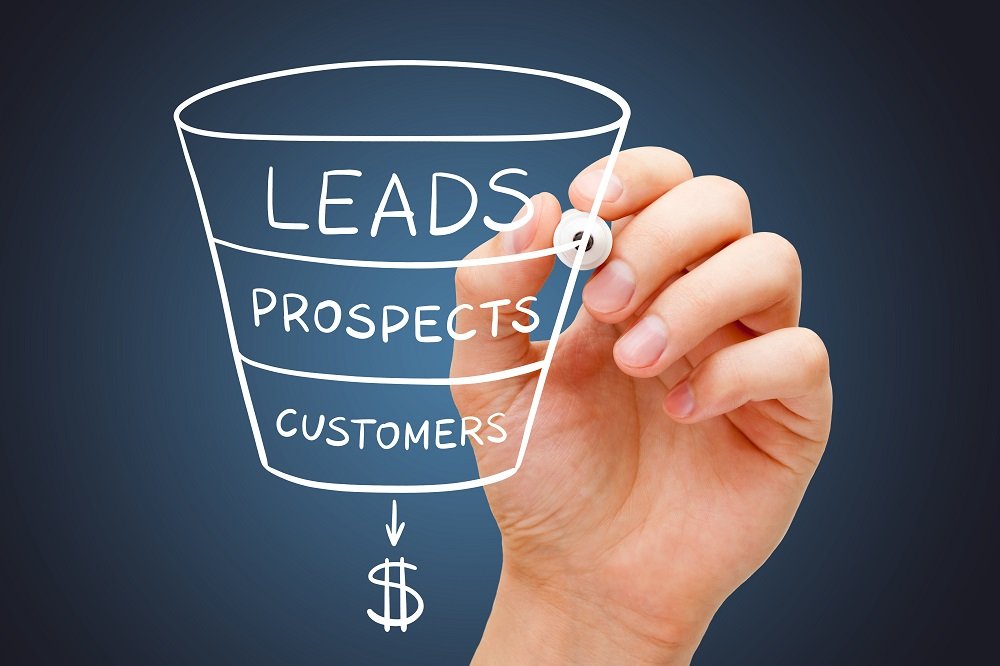
Investing in a structured B2B sales training program delivers measurable benefits for businesses of all sizes. One key advantage is increased sales efficiency, often leading to shorter sales cycles. When sales teams are trained to identify high-potential leads, they can focus their efforts where they matter most, improving conversion rates. Training programs also boost confidence, enabling sales professionals to approach prospects with greater authority and credibility. This confidence translates into stronger client relationships and higher deal values. Another benefit is improved alignment between sales and marketing, ensuring that campaigns and outreach strategies are consistent and effective. Over time, these advantages combine to drive revenue growth and create a competitive edge in the marketplace.
Choosing the Right B2B Sales Training Program for Your Team
Selecting the right training program requires careful consideration of your organization’s needs and resources. Businesses can choose between in-house training or partnering with specialized providers. In-house programs offer customization but require dedicated internal resources, while outsourced programs provide expert guidance and scalable solutions. Key criteria to evaluate include the relevance of content, trainer expertise, flexibility of delivery formats, and scalability for growing teams. It is also critical to assess how the program will measure success, ensuring that the investment delivers a measurable return. Training should not be a one-size-fits-all approach — the right program must align with both the organization’s goals and the realities of its sales environment.
Integrating Continuous Learning into Sales Culture
A one-time training event is not enough to build long-term success. Continuous learning must be a part of the sales culture. This means regular follow-up sessions, skill refreshers, and access to updated resources. Peer learning and mentorship programs encourage knowledge-sharing and help maintain motivation within the team. Leveraging analytics tools allows managers to track performance and identify where additional training is needed. Encouraging salespeople to adopt a mindset of continuous improvement fosters adaptability, which is essential in the dynamic B2B market. A sales team that embraces continuous learning becomes better equipped to meet evolving client needs and outperform competitors.
Common Challenges in B2B Sales Training and How to Overcome Them
Even the best training programs face challenges during implementation. Resistance to change can be a major hurdle, as some sales professionals may prefer sticking to familiar methods. Engagement can also drop, particularly in virtual training settings where distractions are common. Translating theoretical training into practical execution is another obstacle. Overcoming these challenges requires clear communication about the program’s value, interactive training methods, and hands-on practice. Building a strong culture of accountability, supported by performance metrics, helps ensure training translates into tangible results. Businesses that address these challenges head-on can maximize the impact of their B2B sales training program.
Frequently Asked Questions (FAQ)
Q1: How long does a typical B2B sales training program last?
A typical program can range from a few days to several weeks, depending on the depth of content and level of customization. Some organizations also implement ongoing learning modules for continuous improvement.
Q2: What is the cost range of a comprehensive B2B sales training program?
Costs vary widely depending on customization, program length, and delivery method. A tailored in-house program can be more expensive initially, while online or off-the-shelf programs offer lower upfront costs.
Q3: Can B2B sales training programs be customized for different industries?
Yes, customization is one of the most important factors for effectiveness. Industry-specific training ensures the strategies taught are directly relevant to the market conditions and buyer behaviors that teams encounter.
Q4: How do you measure the success of a B2B sales training program?
Success can be measured through KPIs such as improved win rates, shorter sales cycles, higher deal sizes, increased lead conversions, and enhanced customer satisfaction.
Q5: Is virtual B2B sales training as effective as in-person training?
Virtual training can be highly effective if it includes interactive elements, role-playing simulations, and regular follow-up. It also offers scalability and flexibility that in-person training may lack.
Takeaway
A strong B2B sales training program is more than a learning session — it is a strategic driver of growth. By addressing skill gaps, applying modern strategies, and integrating continuous learning, businesses can create sales teams capable of delivering exceptional results. The right training program aligns with organizational goals, strengthens sales performance, and creates a sustainable competitive advantage. Investing in the right program means not only equipping sales teams with skills but also empowering them to adapt, innovate, and succeed in a complex B2B landscape.