
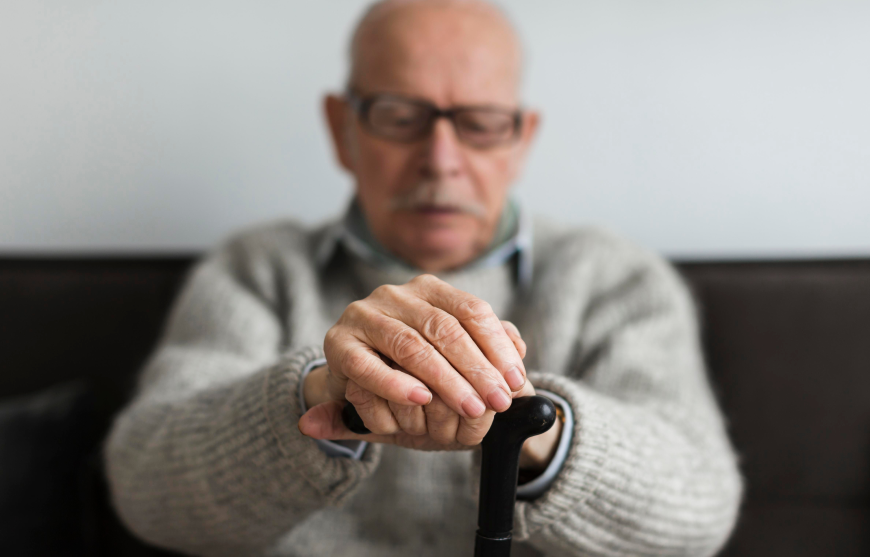
Parkinson’s Disease is a progressive neurological disorder that primarily affects movement and motor control. It occurs when certain nerve cells in the brain, particularly those that produce dopamine, gradually deteriorate or die. Dopamine is a neurotransmitter essential for smooth, coordinated muscle movements. Without sufficient dopamine, the brain struggles to send proper signals to muscles, leading to the characteristic symptoms of Parkinson’s Disease. The condition affects millions worldwide and can significantly impact quality of life if left unmanaged. While it is more common in individuals over the age of 60, younger adults can also develop Parkinson’s Disease, known as early-onset Parkinson’s. Understanding the condition, its symptoms, causes, and treatment options is crucial for patients, caregivers, and families. Awareness helps in early recognition and better management of the disease.
Common Symptoms of Parkinson’s Disease
Parkinson’s Disease manifests through a combination of motor and non-motor symptoms. Motor symptoms often include tremors, which usually start in a hand or fingers and are more noticeable at rest. Muscle rigidity, another common symptom, can make movements stiff and slow, causing discomfort and limiting mobility. Bradykinesia, or slowness of movement, is a hallmark of Parkinson’s Disease, making simple tasks like walking or buttoning clothes challenging. Postural instability may develop over time, increasing the risk of falls. Non-motor symptoms are equally important and can significantly affect daily life. Sleep disturbances, mood disorders such as depression and anxiety, and cognitive challenges like memory lapses often accompany motor symptoms. Digestive issues, fatigue, and loss of smell are also frequent early indicators of Parkinson’s Disease.
Causes and Risk Factors
The exact cause of Parkinson’s Disease is not fully understood, but research points to a combination of genetic and environmental factors. Neurologically, the loss of dopamine-producing neurons in the substantia nigra region of the brain is the core feature. Genetic predisposition plays a role, as certain gene mutations increase susceptibility. Environmental factors, including prolonged exposure to toxins or pesticides and a history of head injuries, may elevate the risk of developing the disease. Age is a significant factor, with most cases occurring in individuals over 60, though early-onset Parkinson’s can affect younger adults. Men are slightly more likely to develop Parkinson’s Disease than women. A family history of the disorder also increases risk, emphasizing the importance of awareness and early monitoring. Lifestyle factors such as diet and exercise may influence symptom progression but do not directly cause the disease.
How Parkinson’s Disease Progresses
Parkinson’s Disease is progressive, meaning symptoms worsen over time, although the rate of progression varies widely among individuals. Early stages often involve subtle tremors, slight stiffness, or minor changes in handwriting. As the disease advances, motor symptoms like bradykinesia and postural instability become more pronounced. Non-motor symptoms, including depression, cognitive impairment, and sleep difficulties, may also intensify. Advanced stages of Parkinson’s Disease can significantly affect mobility, communication, and independence, necessitating support from caregivers and healthcare professionals. Understanding the stages helps patients and families plan for appropriate interventions and lifestyle adjustments. Regular monitoring and treatment adaptation are essential for maintaining quality of life. Awareness of progression also enables timely introduction of therapies and support mechanisms.
Diagnosis and Early Detection
Early diagnosis of Parkinson’s Disease is crucial for effective management. Neurologists typically perform a comprehensive clinical evaluation, examining motor function, reflexes, and coordination. Symptom tracking over time helps identify subtle changes that might indicate the onset of Parkinson’s Disease. Imaging tests, such as MRI or DaTscan, may assist in ruling out other conditions and assessing dopamine activity in the brain. No single test definitively confirms Parkinson’s Disease, making careful observation and clinical judgment essential. Early recognition allows for timely intervention with medications, therapy, and lifestyle modifications. Patients who seek medical attention at the first signs of tremors or movement difficulties often experience better outcomes. Additionally, early diagnosis can provide psychological benefits, giving patients and families time to adjust and plan for the future.
Treatment Options
While there is no cure for Parkinson’s Disease, multiple treatment strategies can help manage symptoms and maintain quality of life. Medications, such as Levodopa and dopamine agonists, are often prescribed to compensate for dopamine loss and improve motor function. Deep brain stimulation (DBS) is a surgical intervention that involves implanting electrodes in the brain to regulate abnormal signals, offering relief for certain patients. Emerging therapies, including gene therapy and experimental medications, are being studied to slow disease progression and enhance symptom control. Non-pharmacological approaches play an equally important role, including physical therapy to improve strength and flexibility. Occupational therapy helps patients adapt daily activities for safety and independence. Speech therapy addresses communication challenges, enhancing the patient’s ability to engage socially and maintain connections. A combination of these strategies tailored to the individual provides the most effective symptom management.
Lifestyle Adjustments and Daily Management
Daily lifestyle adjustments can significantly improve well-being for individuals with Parkinson’s Disease. Exercise is highly beneficial, helping to maintain muscle strength, flexibility, and balance. Cardiovascular workouts, yoga, and resistance training are particularly recommended. Nutrition also plays a critical role; a balanced diet rich in antioxidants, fiber, and healthy fats can support neurological health. Adequate sleep and stress management are vital, as fatigue and anxiety often exacerbate symptoms. Patients are encouraged to establish routines that accommodate their physical and cognitive abilities, reducing frustration and promoting independence. Support networks, including family, friends, and community groups, can provide emotional and practical assistance. Assistive devices and home modifications, such as handrails and non-slip mats, enhance safety and mobility.
Daily Management Tips
- Engage in regular low-impact exercises like walking, swimming, or yoga
- Maintain a consistent sleep schedule and practice relaxation techniques
- Follow a diet rich in fruits, vegetables, whole grains, and lean proteins
- Use adaptive tools for daily tasks, such as utensils with ergonomic handles
- Stay connected with support groups or counseling for emotional health
- Schedule routine medical check-ups to monitor symptom progression
- Incorporate cognitive exercises to maintain mental sharpness
Coping Mechanisms for Patients and Families
Living with Parkinson’s Disease requires both patients and families to develop coping strategies. Emotional support is essential, as anxiety and depression are common among those affected. Counseling, support groups, and therapy can help manage stress and foster resilience. Family education is equally important, equipping caregivers with knowledge about symptoms, medication schedules, and communication strategies. Social engagement, hobbies, and leisure activities contribute to a sense of purpose and improved mood. Adaptive equipment and home modifications reduce the risk of accidents and maintain independence. Open communication between patients, families, and healthcare professionals ensures coordinated care and better management of challenges. By prioritizing mental, physical, and social health, individuals with Parkinson’s Disease can live fulfilling lives despite the challenges of the condition.
Frequently Asked Questions (FAQ)
What age does Parkinson’s Disease usually start?
Parkinson’s Disease is most commonly diagnosed in individuals over 60, but early-onset cases can occur in people as young as 40.
Can Parkinson’s Disease be prevented?
Currently, there is no known way to prevent Parkinson’s Disease. Maintaining a healthy lifestyle may help manage symptoms but does not eliminate risk.
Are there ways to slow the progression of Parkinson’s Disease?
Medications, therapy, regular exercise, and a balanced diet can help manage symptoms and may slow functional decline, though the disease itself is progressive.
How long can someone live with Parkinson’s Disease?
Life expectancy varies widely. Many individuals live 10 to 20 years after diagnosis, with quality of life maintained through proper management and support.
Is Parkinson’s Disease hereditary?
While most cases are not directly inherited, certain genetic mutations can increase susceptibility, making family history a relevant factor.
Takeaway
Parkinson’s Disease is a complex neurological condition with both motor and non-motor symptoms that impact daily life. Awareness, early detection, and a combination of medical treatments, therapy, and lifestyle adjustments play a crucial role in managing the disease effectively. Patients and families who actively engage in symptom monitoring, exercise, proper nutrition, and emotional support often experience improved outcomes and greater independence. While challenges exist, proactive management strategies allow individuals with Parkinson’s Disease to maintain a fulfilling life and meaningful connections. Empowering patients and caregivers with knowledge and practical tools is essential in navigating this progressive condition.