
Core Understanding of High Performance Sales Closers
High performance sales closers represent the elite tier of modern sales professionals who specialize in converting qualified prospects into paying customers with consistency and precision. They are not generalists who simply participate in the sales process; instead, they are specialists focused on the final and most critical stage of revenue generation. Their value comes from their ability to turn conversations into committed decisions while maintaining a structured and ethical approach to persuasion. Businesses rely heavily on high performance sales closers because they directly influence revenue predictability and scalability. Unlike traditional sales roles, their success is measured not only by activity but by conversion efficiency and deal quality. They often operate in high-ticket environments where each closing conversation carries significant financial impact. In global markets, including the USA, UK, Canada, Australia, UAE, and Singapore, demand for these professionals continues to rise due to digital transformation and remote selling structures. The ability to consistently close deals under pressure is what defines their professional identity.
Mindset Architecture of High Performance Sales Closers
The mindset of high performance sales closers is built on discipline, emotional control, and outcome independence. They are trained to remain focused on process execution rather than emotional reactions to individual results. This mental framework allows them to maintain consistency even in high-rejection environments. They view each interaction as an opportunity to refine skill rather than as a personal judgment of ability. Strong internal belief systems also play a major role in their performance because confidence directly impacts buyer perception. They avoid emotional attachment to outcomes and instead focus on delivering value and clarity in communication. Their daily habits reinforce identity-level discipline that supports long-term performance stability. This mindset allows them to stay resilient and consistent even during unpredictable sales cycles.
High performance sales closers often adopt structured mental frameworks that help them perform under pressure. These include visualization techniques, structured goal setting, and performance tracking routines. They also develop the ability to detach from rejection and quickly reset after each call. Emotional neutrality becomes a competitive advantage in high-stakes negotiations. This mental conditioning helps them maintain clarity when prospects present objections or hesitation. Over time, this mindset becomes automatic and deeply ingrained in their professional behavior. As a result, they are able to maintain high output without burnout or inconsistency.
Core Skill Stack Required for High Performance Sales Closers
The skill set of high performance sales closers is diverse, combining communication mastery, psychological awareness, and structured closing techniques. They excel at asking precise questions that uncover hidden motivations and objections. Their listening ability allows them to detect subtle cues in tone, hesitation, and language patterns. This enables them to tailor their messaging dynamically during conversations. They are also highly skilled in controlling conversational direction without appearing forceful or aggressive. Their persuasion techniques are rooted in understanding human decision-making rather than manipulation. This creates trust while guiding prospects toward logical and emotional alignment.
High performance sales closers also master objection handling at an advanced level. They do not resist objections but instead reframe them into meaningful dialogue that clarifies value. Their negotiation approach focuses on alignment rather than pressure. They understand how to position pricing, value, and urgency in a way that supports decision-making. Their closing techniques are structured and intentional, often adapted to different buyer personalities. This combination of skills allows them to operate effectively across industries and deal sizes.
Key capabilities include:
-
Advanced questioning frameworks that uncover true buying intent
-
Active listening techniques for detecting emotional signals
-
Strategic objection reframe methods that reduce resistance
-
Value-based negotiation strategies that emphasize ROI
-
Structured closing patterns tailored to buyer psychology
Sales Funnel Intelligence for High Performance Sales Closers
High performance sales closers operate with a deep understanding of the sales funnel and how prospects move through each stage. They recognize that closing begins long before the final conversation and depends heavily on lead quality and qualification. Their ability to identify high-intent prospects significantly increases efficiency and conversion rates. They collaborate closely with marketing and lead generation teams to ensure alignment in messaging and targeting. This reduces friction in the closing process and improves overall pipeline health. They also monitor drop-off points to understand where prospects lose interest or confidence.
Lead qualification is a critical part of their workflow. They use structured frameworks to evaluate readiness, budget alignment, and decision-making authority. This ensures that their time is spent on opportunities with the highest probability of conversion. Pipeline management also plays a key role in maintaining consistent performance. They prioritize deals based on urgency, value, and likelihood of closure. This strategic approach prevents wasted effort and increases revenue predictability.
Data-Driven Performance Optimization
High performance sales closers rely heavily on data to refine their approach and improve outcomes. They track key performance indicators such as conversion rates, average deal size, and closing time. This allows them to identify patterns in their performance and adjust strategies accordingly. Data-driven insights help them understand which techniques are most effective across different buyer segments. They use CRM systems to organize leads, monitor follow-ups, and analyze interaction history. These tools provide visibility into pipeline health and individual deal progress. Regular performance audits help them identify weaknesses and implement improvements.
Their optimization process is continuous and structured. They review call recordings to evaluate tone, pacing, and objection handling effectiveness. They also test different messaging approaches to determine what resonates best with prospects. This iterative process ensures constant improvement over time. By combining intuition with analytics, they achieve a balanced and highly effective sales approach.
Emotional Intelligence in High Performance Sales Closing
Emotional intelligence is a defining trait of high performance sales closers because it directly influences trust and connection. They are skilled at reading emotional signals that indicate hesitation, excitement, or uncertainty. This allows them to adjust their communication style in real time. They build trust by demonstrating empathy and understanding rather than relying solely on persuasion tactics. Their ability to connect on a human level increases buyer confidence and reduces resistance. Emotional awareness also helps them navigate complex conversations with sensitivity and clarity.
Managing emotional energy is equally important. High performance sales closers often handle multiple calls per day, requiring strong mental stamina. They use structured routines to reset emotionally between interactions. This prevents burnout and maintains consistency in performance. Their emotional discipline allows them to remain composed even during difficult conversations. As a result, they maintain high levels of effectiveness across all interactions.
High Performance Sales Closers in Remote and Global Markets
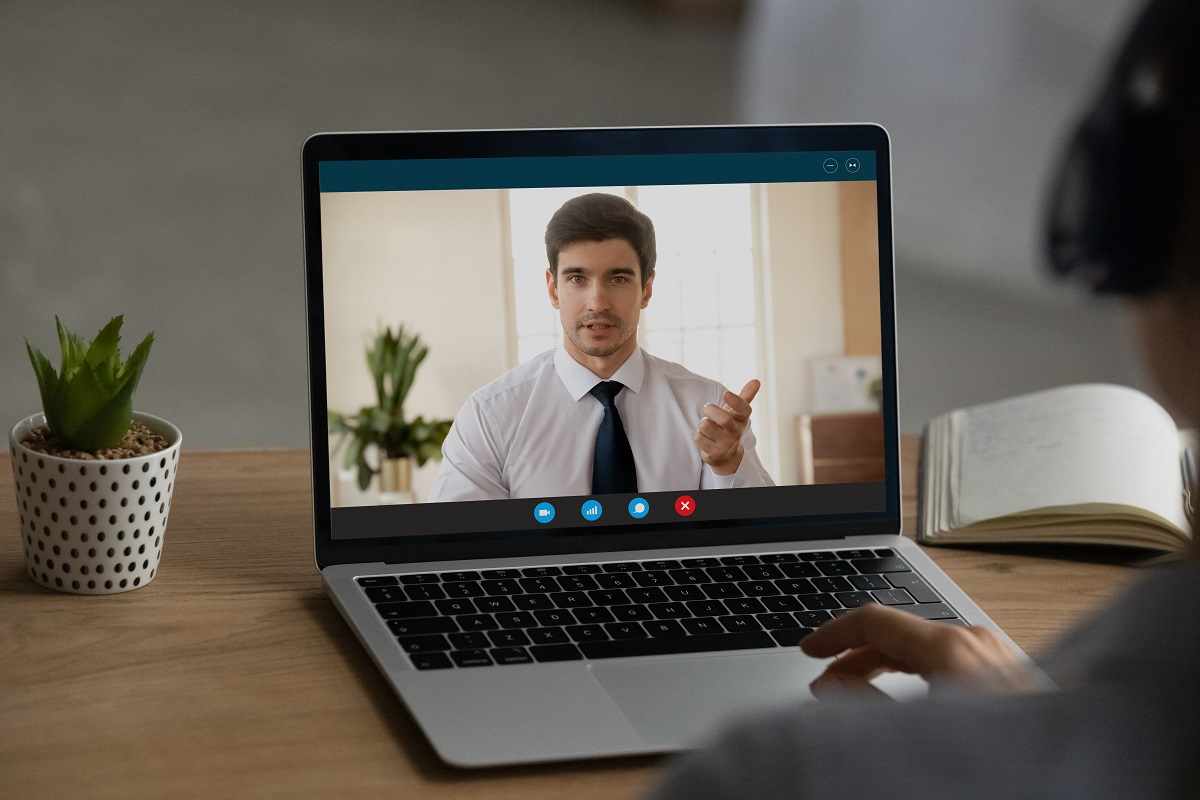
The rise of remote work has significantly expanded opportunities for high performance sales closers. They are no longer limited to physical office environments and can now operate globally from any location. This shift has increased access to international markets and diversified earning potential. Remote closing requires strong communication skills due to the lack of physical presence. As a result, verbal clarity and digital communication proficiency have become essential.
Global markets have also increased demand for culturally adaptable sales professionals. High performance sales closers must understand regional differences in buying behavior and communication styles. This is especially important when working with clients across the USA, UK, Canada, Australia, UAE, and Singapore. Each region presents unique expectations and decision-making processes. Adapting to these differences enhances trust and improves conversion rates. Remote closing has also created opportunities for commission-based and freelance sales professionals worldwide.
Training Pathways to Become a High Performance Sales Closer
Becoming a high performance sales closer requires structured learning and consistent practice. Most professionals begin with foundational sales training that covers communication and persuasion basics. From there, they progress into advanced closing programs that focus on negotiation and conversion strategies. Role-playing exercises are commonly used to simulate real-world sales scenarios. This helps build confidence and refine technique in a controlled environment. Mentorship from experienced closers also accelerates skill development significantly.
Practical experience is essential for mastery. Many learners participate in live call environments to apply theoretical knowledge. Feedback loops are used to refine performance and correct weaknesses. Over time, repetition builds confidence and consistency. Training is not a one-time process but an ongoing development journey that evolves with experience.
Tools and Technology Used by High Performance Sales Closers
Modern high performance sales closers rely on technology to enhance efficiency and performance. CRM systems are central to their workflow, allowing them to track leads, manage pipelines, and automate follow-ups. Communication tools such as video conferencing platforms enable seamless remote selling. Call recording software is used to analyze performance and improve technique. These tools provide valuable insights into buyer behavior and conversation dynamics.
They also use analytics platforms to monitor conversion metrics and forecast revenue. AI-powered tools are increasingly being integrated into sales workflows to provide predictive insights. These technologies help identify high-quality leads and optimize outreach strategies. Automation reduces manual workload, allowing closers to focus more on conversations and relationship building. Technology has become a critical enabler of modern sales performance.
Common Challenges Faced by High Performance Sales Closers
High performance sales closers face several challenges despite their expertise. One of the most common is inconsistent performance due to fluctuating lead quality. This requires constant adaptation and recalibration of strategy. Another challenge is managing high objection volumes, which can be mentally demanding. Effective emotional control is necessary to maintain confidence and clarity during these situations. Burnout is also a risk due to the intensity of high-volume closing environments.
Maintaining motivation in competitive markets can also be difficult. High performance sales closers must rely on internal discipline rather than external validation. Structured routines and performance goals help maintain focus. Continuous learning is essential to stay competitive in evolving markets. These challenges are part of the profession and contribute to long-term skill development.
Future Trends in High Performance Sales Closers
The future of high performance sales closers is closely tied to technology and changing buyer behavior. Artificial intelligence is expected to play a larger role in supporting decision-making and lead qualification. AI tools will enhance conversation analysis and provide real-time feedback during calls. This will improve efficiency and performance accuracy. Buyer expectations are also shifting toward more personalized and transparent interactions.
Remote selling will continue to expand globally, creating more opportunities for distributed sales teams. High performance sales closers will need to adapt to increasingly digital-first environments. Trust-building will remain central to success, but methods will evolve with technology. The profession will become more data-driven and strategically optimized over time. These changes will redefine how closing excellence is achieved.
Takeaway
High performance sales closers represent a specialized and highly valuable segment of the modern sales industry. Their effectiveness comes from combining psychological understanding, structured communication, and data-driven decision-making. They operate in fast-paced environments where consistency and adaptability are essential. As global markets continue to expand and digital selling becomes the standard, the demand for elite closers will continue to rise. Mastery in this field requires continuous learning, disciplined execution, and the ability to evolve with changing buyer behavior.