
Understanding Cold Calling Appointment Setting
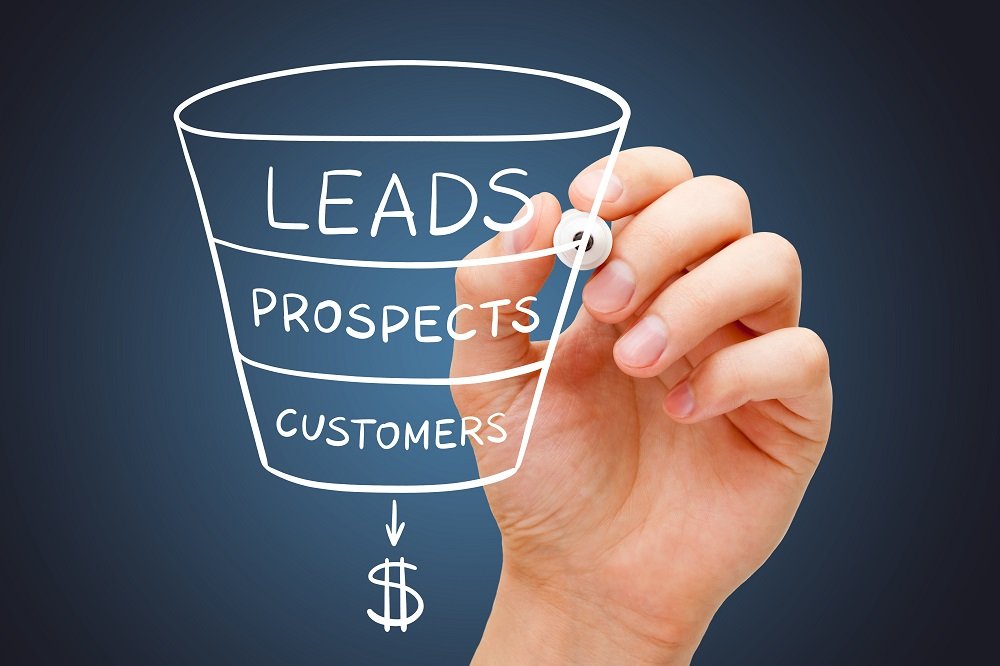
Cold calling appointment setting is a foundational strategy for generating leads and expanding a business’s customer base. Unlike warm calls, where potential clients have had prior interaction with a company, cold calling reaches out to prospects who may not yet be aware of your product or service. The primary goal is to secure a scheduled appointment where a more detailed conversation can occur, allowing sales teams to focus on qualified leads. Appointment setting ensures that sales reps are not wasting time on prospects who are not interested, which maximizes efficiency and improves conversion rates. This method requires skill, preparation, and the ability to engage someone who may initially be resistant or skeptical. Effective cold calling appointment setting also builds a framework for a repeatable sales process, ensuring that outreach efforts are organized and measurable. Ultimately, mastering this skill provides a steady flow of prospects into the sales pipeline, supporting sustainable business growth.
The Importance of Cold Calling for Businesses
Cold calling remains a powerful tool for businesses despite the rise of digital marketing channels. It allows companies to directly connect with potential customers, create personal engagement, and quickly gauge interest. Appointment setting during cold calls ensures that conversations are productive, focusing on prospects who have expressed at least preliminary interest. This approach contributes to higher lead quality, better time management, and increased revenue opportunities. Businesses that rely solely on inbound leads may miss out on prospects who are unaware of their offerings, making cold calling an essential outbound strategy. Additionally, cold calling provides immediate feedback on messaging, pricing, and market interest, which can inform broader marketing and sales strategies. By integrating cold calling appointment setting into the sales process, companies can maintain a competitive edge while building long-term relationships with potential clients.
Preparing for Effective Cold Calling
Preparation is critical for successful cold calling appointment setting. Sales reps must conduct thorough research on potential leads, including industry, company size, and decision-maker contacts. Crafting a compelling value proposition is essential to capture attention within the first few seconds of a call. A structured call script provides a roadmap while maintaining flexibility for natural conversation. Using CRM tools allows reps to organize contact information, track interactions, and schedule follow-ups efficiently. Equipping the team with knowledge about common objections and how to overcome them also improves appointment-setting success rates. Preparation extends beyond information gathering to mental readiness; reps must approach each call with confidence, resilience, and a professional tone.
Techniques to Improve Cold Calling Appointment Setting
Effective techniques can drastically increase appointment-setting success. Building rapport quickly helps to create trust and engagement, even in brief interactions. Handling objections with empathy and providing solutions demonstrates professionalism and credibility. Timing plays a significant role; identifying the best days and times to call can enhance contact rates. Repetition and persistence are key, but it’s important to avoid overcalling prospects. Persuasive language should emphasize value and benefits while keeping calls concise. Active listening allows reps to tailor the conversation and respond to specific prospect needs. Finally, consistent tracking and evaluation of calls help refine techniques and boost overall performance.
Key Techniques Include:
- Personalizing each call based on research and prior interactions
- Asking open-ended questions to encourage dialogue
- Highlighting the prospect’s potential gains from the appointment
- Maintaining a friendly but professional tone throughout the call
- Recording and analyzing call outcomes for continuous improvement
- Scheduling follow-up calls strategically when initial contact is unsuccessful
- Using CRM tools to track engagement history and optimize next steps
Common Challenges and How to Overcome Them
Cold calling appointment setting presents several challenges that can be addressed with proactive strategies. Rejection is frequent and can affect morale, but persistence and mindset training help sales reps maintain motivation. Gatekeepers often act as barriers; preparing clear messaging and respectful communication can improve access to decision-makers. Not every lead will be qualified, so it’s important to identify prospects that align with your target audience to save time and resources. Legal compliance, including adherence to Do Not Call lists and privacy regulations, must always be followed to avoid penalties. Scheduling conflicts or missed appointments require follow-up strategies to ensure prospects remain engaged. Maintaining consistency in outreach efforts prevents gaps in the sales pipeline. By anticipating challenges, sales teams can implement solutions that improve appointment-setting efficiency.
Measuring Success in Appointment Setting
Tracking key metrics is essential for evaluating the effectiveness of cold calling appointment setting. Conversion rates show how many calls result in scheduled appointments, indicating the quality of leads and messaging. Response rates measure overall engagement and help identify trends in prospect behavior. Tracking follow-ups ensures that no opportunities are missed and that leads are nurtured properly. Analyzing calls can reveal strengths and weaknesses in approach, guiding training and script adjustments. Regular review of CRM data allows managers to identify top-performing reps and replicate their strategies across the team. Continuous measurement ensures that appointment-setting efforts remain effective and aligned with business objectives.
Integrating Cold Calling with Other Sales Strategies
Cold calling works best when integrated with complementary sales strategies. Email outreach can warm up leads before a call, increasing the likelihood of appointment acceptance. Social selling through platforms like LinkedIn allows reps to connect and engage with prospects in a professional context. Marketing campaigns can be aligned with cold calling efforts to create a consistent message and attract interested leads. Data-driven insights inform which prospects to target and how to personalize messaging. Collaboration between sales and marketing teams ensures that cold calling appointment setting fits seamlessly into the broader lead generation and conversion process. Combining multiple strategies amplifies results, making cold calling more productive and impactful.
Tools and Resources for Effective Appointment Setting
Using the right tools can streamline cold calling appointment setting. CRM systems help organize contacts, track calls, and manage follow-ups efficiently. Call tracking software allows reps to analyze performance, identify bottlenecks, and optimize scripts. Automation tools can schedule calls, send reminders, and reduce repetitive administrative tasks. Sales training programs provide scripts, objection-handling techniques, and confidence-building exercises for teams. Online resources, webinars, and workshops keep reps up to date on best practices. Investing in the right technology and resources ensures a structured, professional, and effective appointment-setting process.
FAQ
What is the best time to make cold calls for appointment setting?
- Research suggests that mid-morning and mid-afternoon are optimal, avoiding early mornings and late evenings when prospects may be busy or unavailable.
How many attempts should you make before moving on?
- Typically, 3-5 attempts with a combination of calls, emails, or social messages is effective before reassessing the lead’s potential.
Can cold calling still be effective in the age of digital marketing?
- Yes, cold calling provides direct human engagement that digital channels cannot fully replicate, complementing online strategies.
How do you handle gatekeepers effectively?
- Treat gatekeepers respectfully, provide clear reasons for your call, and ask for the decision-maker politely while emphasizing value.
What are common mistakes to avoid during cold calling?
- Using generic scripts, ignoring objections, calling at inconvenient times, and failing to follow up consistently are frequent pitfalls.
Takeaway
Cold calling appointment setting remains a vital strategy for businesses aiming to grow their client base and strengthen sales pipelines. By combining research, preparation, effective techniques, and the right tools, sales teams can increase appointment conversion rates and build stronger relationships with prospects. Overcoming challenges with persistence and professional strategies ensures consistent success. Tracking performance and integrating cold calling with other sales methods creates a comprehensive approach to lead generation. Mastering this skill equips sales professionals to maximize efficiency, close more opportunities, and contribute significantly to long-term business growth.