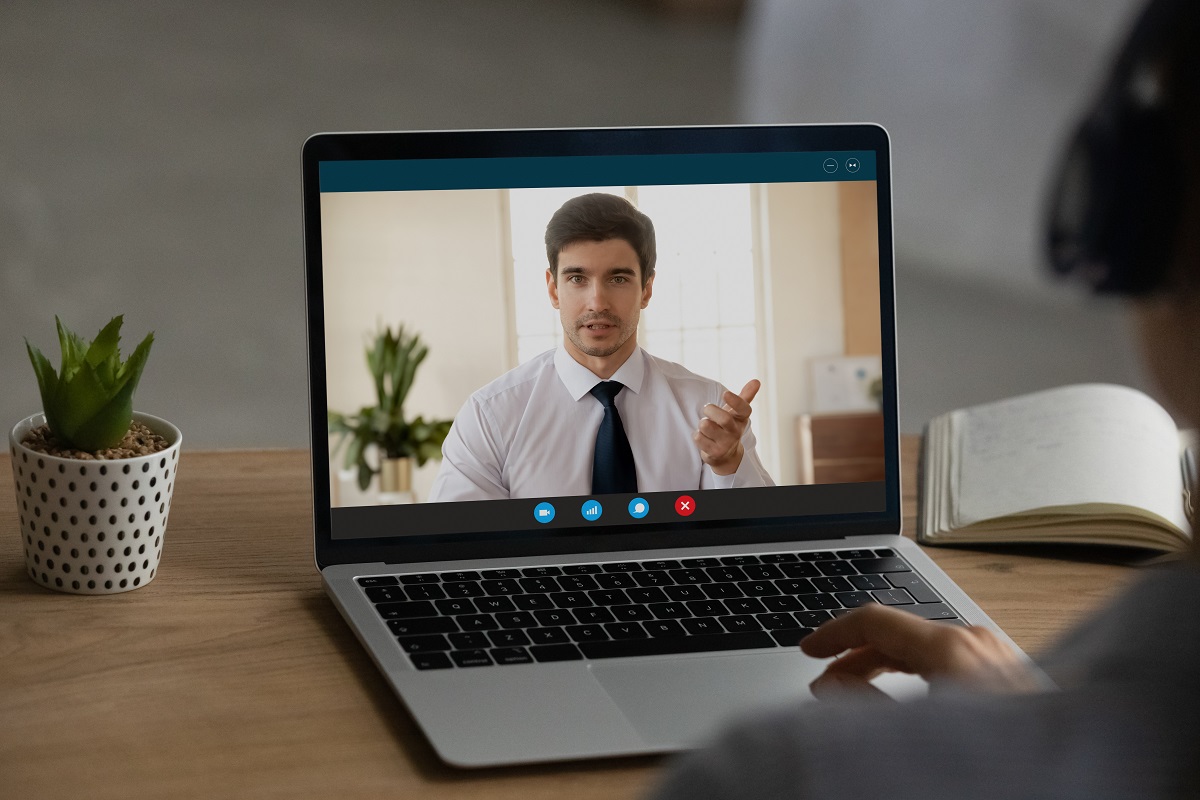

Appointment setter coaching is a specialized training approach designed to help individuals excel at securing meetings and calls with potential clients. Unlike general sales training, this type of coaching focuses specifically on the art of reaching out, handling objections, and booking appointments effectively. Appointment setters play a critical role in the sales process because they are often the first point of contact between a business and a prospective client. Their ability to create a strong impression and generate interest can directly impact revenue growth. Through professional coaching, appointment setters can sharpen their skills in communication, persuasion, and relationship building. This training also emphasizes efficiency and productivity, helping participants optimize their outreach strategies. With structured guidance, appointment setters learn how to approach prospects confidently while maintaining professionalism and a positive attitude.
Appointment setter coaching develops several core skills that are essential for success in sales. Effective communication is at the heart of every appointment-setting call, allowing the setter to clearly articulate value propositions. Persuasive techniques help in influencing prospects to agree to a meeting without feeling pressured. Handling objections is another critical skill, as it ensures that setters can navigate resistance and keep conversations moving forward. Time management and organization are also emphasized, allowing appointment setters to handle multiple leads simultaneously without losing focus. Coaching also includes practical training in customer relationship management systems to track calls and follow-ups efficiently. Building rapport with potential clients is taught as a method to increase trust and engagement. Over time, these skills combine to create a more confident and results-driven appointment setter.
There are different types of appointment setter coaching programs tailored to varying needs and experience levels. One-on-one coaching provides personalized guidance, allowing the trainer to focus specifically on an individual’s strengths and weaknesses. Group coaching encourages peer learning and offers insights from others in the same role, fostering collaboration and shared strategies. Online courses and workshops provide flexible learning options for those who cannot attend in-person training. Self-paced programs allow learners to progress according to their own schedule, while guided programs offer structured lessons with direct feedback. Some coaching programs are industry-specific, focusing on sectors like B2B, SaaS, or real estate, which often have unique challenges and approaches. The diversity of options ensures that anyone interested in appointment setting can find a program that matches their goals and lifestyle.
The benefits of appointment setter coaching extend beyond just improving call success rates. Professionals who undergo this training often see an increase in appointment conversion, which directly contributes to higher sales opportunities. Coaching helps shorten the sales cycle because appointments are booked more efficiently, and leads are qualified more accurately. Participants gain confidence in their abilities, which positively impacts interactions with prospects. Enhanced understanding of the target audience and market trends allows appointment setters to tailor their approach effectively. Coaching also provides strategies to maintain motivation, especially during periods of repeated rejection. Many companies report improved team performance when their appointment setters receive proper coaching. Investing in these skills can lead to long-term career growth and sustainable sales success.
Choosing the right appointment setter coach is crucial to achieving meaningful results. It begins with identifying your skill gaps and career goals to ensure the program addresses your specific needs. Evaluating the coach’s experience and track record helps determine the quality of training. Look for programs that provide actionable strategies rather than theoretical knowledge, as practical application drives real results. Reviews and testimonials from past participants can offer insight into the effectiveness of the coaching. The teaching style should align with the learner’s preferred learning methods, whether through hands-on practice or guided exercises. Availability of ongoing support after the course can also be a deciding factor. Making an informed choice ensures that the investment in coaching produces measurable improvement.
Implementing the skills learned from appointment setter coaching requires consistent practice and focus. Daily exercises such as call scripting, objection handling, and role-playing are effective ways to reinforce learning. Applying these techniques in real-world scenarios helps appointment setters gain practical experience. Monitoring performance metrics, such as the number of appointments set and conversion rates, allows participants to identify areas for improvement. Feedback from supervisors or mentors provides guidance for refining techniques and approaches. Incorporating CRM tools and automation systems ensures that follow-ups are timely and efficient. The combination of practice, evaluation, and technology integration helps appointment setters sustain their growth over time.
Coaching also addresses common challenges that appointment setters face. Rejection is inevitable, and coaching equips professionals with strategies to handle it without losing confidence. Inconsistent lead quality can slow down productivity, but training teaches how to prioritize and engage with high-potential prospects effectively. Maintaining motivation in high-pressure environments is another focus, ensuring that setters remain resilient and goal-oriented. Adapting to different industries or client types is taught through scenario-based learning and role-play exercises. Coaching also emphasizes developing emotional intelligence to understand and respond to prospects’ needs. These lessons prepare appointment setters to navigate obstacles with composure and professionalism.
Technology plays a pivotal role in modern appointment setter coaching. CRM software training helps streamline communication and track leads efficiently. Automation tools allow for timely follow-ups and reminders, reducing the chance of missed opportunities. Analytics dashboards provide insight into performance metrics, enabling appointment setters to adjust strategies for maximum impact. Communication platforms such as email, phone, and social media are integrated into coaching programs to cover all outreach channels. Some programs also teach the use of AI-powered assistants to manage routine tasks. Incorporating technology ensures that appointment setters remain competitive and productive in today’s digital sales environment.
Measuring the impact of appointment setter coaching is essential for both individuals and organizations. Key performance indicators, such as the number of appointments set, conversion rates, and follow-up effectiveness, provide quantifiable evidence of improvement. Tracking the return on investment of coaching programs helps organizations justify training expenditures. Long-term benefits include professional growth, higher confidence, and sustained sales performance. Regular review and evaluation ensure that the skills gained are applied consistently and refined over time. Appointment setter coaching is not a one-time event but an ongoing process of development and adaptation. Organizations that prioritize continuous improvement see measurable gains in both team efficiency and revenue generation.
Frequently Asked Questions
What exactly does appointment setter coaching involve?
Appointment setter coaching focuses on teaching techniques for securing appointments with potential clients. It includes communication strategies, handling objections, lead management, and practical exercises like role-playing calls.
How long does it typically take to see results?
While it varies by individual and program, noticeable improvements in appointment-setting skills can occur within weeks. Consistent practice and application are key to achieving long-term results.
Can beginners with no sales experience benefit from coaching?
Yes, coaching programs are designed for all skill levels. Beginners learn the fundamentals of outreach, communication, and persuasion, while experienced setters refine advanced strategies.
Are there industry-specific appointment setter programs?
Yes, many coaching programs focus on industries such as B2B, SaaS, real estate, and more. These programs teach strategies tailored to the specific challenges and buyer behaviors of each sector.
How do I maintain the skills after completing coaching?
Skills can be maintained through regular practice, role-playing, tracking KPIs, and seeking feedback from mentors or supervisors. Continuous learning and technology integration also help keep skills sharp.
Takeaway
Appointment setter coaching is a strategic investment for anyone looking to excel in sales and business development. It equips individuals with essential skills, practical strategies, and confidence to handle prospects effectively. Through a combination of communication training, technology integration, and real-world application, appointment setters can significantly improve conversion rates and career growth. Choosing the right coaching program and consistently applying its lessons ensures long-term success. Whether you are starting your career or looking to enhance existing skills, appointment setter coaching provides the tools needed to thrive in a competitive sales environment.