
What a Remote High Ticket Closing Job Really Means
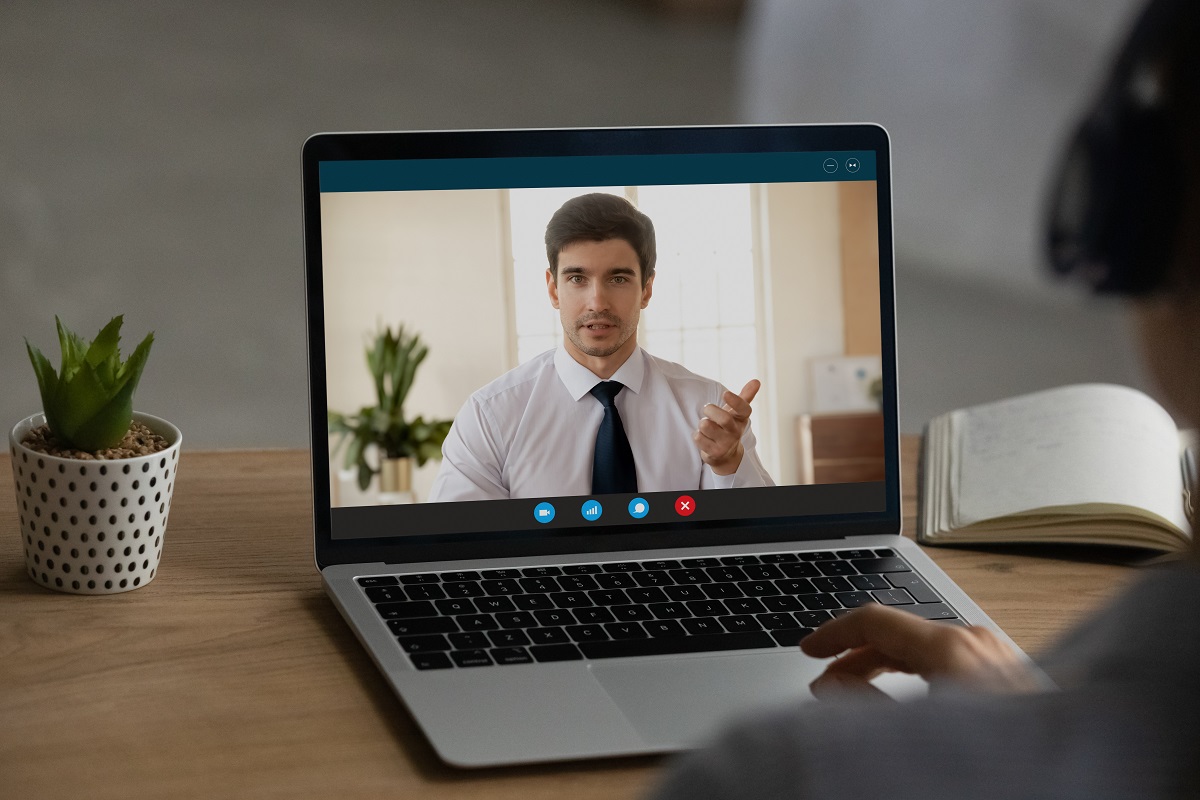
A remote high ticket closing job refers to a sales role where professionals close high-value deals entirely online without meeting clients in person. These roles are centered around selling premium products or services that often cost thousands of dollars per transaction. The “remote” aspect means communication happens through video calls, phone calls, or messaging platforms rather than physical meetings. In most cases, the closer works with pre-qualified leads who have already shown interest in the offer. This makes the role more focused on persuasion and decision facilitation rather than cold outreach. The goal is to guide prospects toward making confident purchasing decisions for high-value offers. Many industries now rely on this model because digital buying behavior continues to grow rapidly.
A remote high ticket closing job is not simply about selling; it is about understanding buyer psychology at a deep level. Closers must be able to identify emotional triggers and logical reasoning behind purchasing decisions. This makes the role both strategic and conversational in nature. It requires a blend of empathy, confidence, and structured communication. Unlike traditional sales, the remote environment places more emphasis on verbal clarity and trust-building. Success in this field depends heavily on how well a closer can connect with prospects in a short time frame.
How Remote High Ticket Closing Job Systems Work in Today’s Digital Market
A remote high ticket closing job operates within a structured sales system that begins long before the closer enters the conversation. Marketing teams generate leads through ads, webinars, funnels, or content marketing strategies. These leads are then filtered by appointment setters who qualify prospects based on interest and budget. Once qualified, the leads are handed off to high ticket closers who conduct the actual sales conversations. This division of labor allows each role to focus on specialization rather than multitasking.
The remote sales pipeline is highly organized to maximize conversion rates. Most companies rely on CRM systems to track every interaction with potential clients. These systems help closers understand where each prospect is in the decision-making process. Communication tools such as Zoom or Google Meet are commonly used for live consultations. Email and messaging platforms support follow-ups and nurturing sequences. The entire structure is designed to create a smooth buying experience for high-value clients.
In many cases, the sales process includes multiple touchpoints before a final decision is made. Prospects may attend webinars, receive emails, or participate in discovery calls. Each interaction builds trust and reduces hesitation. This system ensures that the remote high ticket closing job focuses on closing rather than cold prospecting. The efficiency of this model is one of the reasons it has become widely adopted in digital industries.
Core Responsibilities of a Remote High Ticket Closer
A remote high ticket closing job involves several key responsibilities that revolve around communication and persuasion. One of the primary duties is conducting discovery calls with potential clients. During these calls, closers identify pain points, goals, and objections that influence buying decisions. They also present solutions in a way that aligns with the prospect’s needs. The conversation is structured but flexible depending on the client’s responses.
Another responsibility includes handling objections in a calm and strategic manner. This requires deep listening and the ability to reframe concerns into opportunities. Closers must ensure that prospects feel understood and valued throughout the interaction. Trust-building is a critical part of the role because high ticket offers often require significant financial commitment. Every word spoken during the call can influence the final outcome.
Closers are also responsible for maintaining CRM records and updating deal statuses. This ensures that sales teams can track performance and optimize strategies. Follow-up communication is another essential task, especially for prospects who need additional time to decide. In many cases, persistence combined with professionalism leads to successful conversions. The role is dynamic and requires constant attention to detail.
Skills Needed to Succeed in a Remote High Ticket Closing Job
Succeeding in a remote high ticket closing job requires a combination of soft skills and technical understanding. Communication is the most critical skill because every interaction happens virtually. A closer must be able to articulate ideas clearly and confidently without overwhelming the prospect. Emotional intelligence plays a major role in understanding customer behavior and reactions. This helps in adapting conversations in real time.
Strong persuasion skills are also essential in guiding prospects toward decisions. This does not mean pressure selling but rather helping clients see value clearly. Active listening is another core ability that allows closers to uncover hidden objections. Time management is important since most closers work independently in remote environments. Discipline ensures consistency in performance even without direct supervision.
Key skills often include:
-
Effective verbal communication and storytelling
-
Emotional intelligence and empathy
-
Objection handling and negotiation
-
Confidence in virtual environments
-
CRM and sales tracking knowledge
-
Self-discipline and time management
-
Adaptability to different industries and offers
These skills collectively determine long-term success in the field. Continuous improvement is often necessary because sales environments evolve quickly.
Industries That Commonly Hire Remote High Ticket Closers
A remote high ticket closing job exists across several high-growth industries. Online coaching and mentorship programs are among the largest employers of closers. These businesses rely heavily on enrollment calls to convert prospects into clients. Digital marketing agencies also use closers to sell premium service packages. SaaS companies frequently hire closers for enterprise-level subscriptions.
Real estate investment firms use remote closers to sell training programs or investment opportunities. Financial education platforms also depend on skilled closers to present complex offers. E-commerce consulting services often use high ticket models to attract business owners. Each of these industries shares one common trait: high-value offers that require trust-based selling. The demand for remote closers continues to grow as more businesses shift online.
Differences Between Remote High Ticket Closing and Traditional Sales Roles
A remote high ticket closing job differs significantly from traditional sales positions. One major difference is the communication channel, as remote closers operate entirely online. Traditional sales often involve face-to-face interactions, while remote closers rely on virtual tools. Another difference is the length of the sales cycle, which is typically longer for high ticket offers.
Traditional sales may focus on volume, while high ticket closing emphasizes quality deals. Relationship-building plays a much larger role in remote closing environments. The emotional depth of conversations is often higher due to the value of the offer. Compensation structures are also different, with most remote closers earning commission-based income. This creates higher earning potential but also greater responsibility.
Income Potential in a Remote High Ticket Closing Job
A remote high ticket closing job offers significant income potential depending on performance and experience. Many closers work on commission, meaning earnings are directly tied to sales results. Entry-level closers may start with modest income while learning the process. However, experienced closers can earn substantial commissions from high-value deals.
Income is influenced by several factors such as niche, offer price, and closing rate. Some industries offer commissions ranging from hundreds to thousands per sale. High performers often build consistent monthly income streams through repeatable systems. The flexibility of remote work allows closers to scale their income over time. Many professionals are attracted to this career path because of its uncapped earning potential.
Step-by-Step Path to Becoming a Remote High Ticket Closer
Starting a remote high ticket closing job requires structured skill development and practice. The first step involves learning sales fundamentals and understanding buyer psychology. Practicing communication through role-play exercises helps build confidence. Many beginners study objection-handling frameworks to prepare for real conversations. Building familiarity with digital sales tools is also important.
After foundational learning, aspiring closers often apply to entry-level roles or training programs. Gaining real experience is essential for improving performance. Continuous feedback from mentors or managers helps refine techniques. Over time, closers develop their own communication style. Consistency and persistence are key factors in long-term success.
Training Options and Skill Development Pathways
Training plays a major role in succeeding in a remote high ticket closing job. Many online programs focus specifically on sales psychology and closing techniques. Mentorship opportunities provide hands-on learning experiences. Self-study resources such as books and podcasts also support skill development.
Practice environments such as mock calls help build real-world confidence. Some communities offer role-play groups where individuals can refine their skills. Continuous learning is essential because sales strategies evolve over time. Successful closers often invest heavily in personal development. This commitment directly impacts long-term performance.
Tools and Technology Used in Remote High Ticket Closing Job
Technology is essential in managing a remote high ticket closing job effectively. Video conferencing tools like Zoom are commonly used for client interactions. CRM platforms help track leads and manage sales pipelines. Scheduling tools simplify appointment coordination. Digital contract signing tools streamline closing processes.
Communication platforms support team collaboration and updates. Analytics tools help track performance and conversion rates. These technologies ensure efficiency and organization in remote environments. Without these tools, managing high ticket sales would be significantly more complex. They form the backbone of modern remote sales systems.
Where to Find Remote High Ticket Closing Job Opportunities
Opportunities for a remote high ticket closing job can be found across multiple platforms. Remote job boards often list sales positions in digital industries. Many companies hire directly through their websites or landing pages. Freelance platforms also feature commission-based sales roles.
Networking is one of the most effective methods for finding opportunities. Online entrepreneur communities frequently share job openings. Social media platforms like LinkedIn are also valuable for connecting with hiring managers. Direct outreach to coaching businesses can lead to opportunities. Persistence is often required when entering this competitive field.
Common Challenges in Remote High Ticket Closing Job and How to Navigate Them
A remote high ticket closing job comes with several challenges that require resilience. Rejection is a common part of the sales process and must be managed effectively. Income inconsistency can occur during early stages of development. Building trust with prospects in a virtual environment can also be challenging.
Time zone differences may affect scheduling with international clients. Staying disciplined without a physical office environment requires strong self-management. Handling pressure during high-stakes calls is another common challenge. Continuous practice and mindset development help overcome these obstacles. Growth in this field often comes through persistence and adaptation.
Strategies to Excel in Remote High Ticket Closing Job Performance
Excelling in a remote high ticket closing job requires strategic improvement over time. Developing a structured sales script helps maintain consistency during calls. Emotional control is essential when dealing with objections or hesitation. Storytelling techniques can make presentations more engaging and relatable.
Follow-up systems significantly improve conversion rates over time. Reviewing recorded calls helps identify areas for improvement. Building rapport quickly with prospects increases trust levels. Continuous feedback and learning lead to higher performance. Consistency is often the key factor separating average and top performers.
Mistakes That Can Limit Growth in High Ticket Closing Careers
Several mistakes can slow progress in a remote high ticket closing job. Relying too heavily on scripts can make conversations feel unnatural. Ignoring buyer psychology can reduce conversion effectiveness. Weak follow-up processes often lead to lost opportunities.
Poor qualification of leads wastes time and effort. Lack of adaptability can make closers less effective across different industries. Avoiding ongoing training can limit long-term growth. Recognizing and correcting these mistakes is essential for improvement. Awareness of these pitfalls helps build stronger performance habits.
Future Outlook of Remote High Ticket Closing Careers
The future of a remote high ticket closing job looks increasingly strong as digital industries expand. More businesses are moving toward online sales models. Artificial intelligence is being integrated into sales systems but human closers remain essential. Online education and coaching industries continue to grow rapidly.
Remote work trends support the demand for virtual sales professionals. Hybrid sales systems combining automation and human interaction are becoming common. Global markets are opening new opportunities for closers. This career path is expected to evolve rather than decline. Adaptability will remain a key factor in long-term success.
Frequently Asked Questions
What is a remote high ticket closing job?
A remote high ticket closing job is a sales role focused on closing high-value deals online through calls or virtual meetings.
Do you need experience to become a closer?
Experience is helpful but not always required since many companies offer training for beginners.
How much can closers earn?
Earnings vary widely based on performance, but commissions can lead to high income potential.
What industries hire closers?
Industries include coaching, SaaS, real estate, marketing agencies, and financial education.
Is this job fully remote?
Yes, the role is designed to be performed entirely online using digital communication tools.
Takeaway
A remote high ticket closing job offers a performance-based career path built around communication, persuasion, and digital sales systems. It requires strong interpersonal skills, discipline, and continuous learning to thrive in competitive markets. The role provides opportunities for high income but demands consistency and adaptability. As online industries continue expanding, the demand for skilled closers remains strong across multiple sectors.